Review individual precautions
Clarify the advice from the team managing your hip.
Monthly second-opinion clinic · Grantham & Sleaford
0330 001 0048Hip replacement / Patient guide
After urgent treatment, review why the hip dislocated and the plan to reduce further episodes.
A planned, non-urgent second opinion with Professor Paul Lee
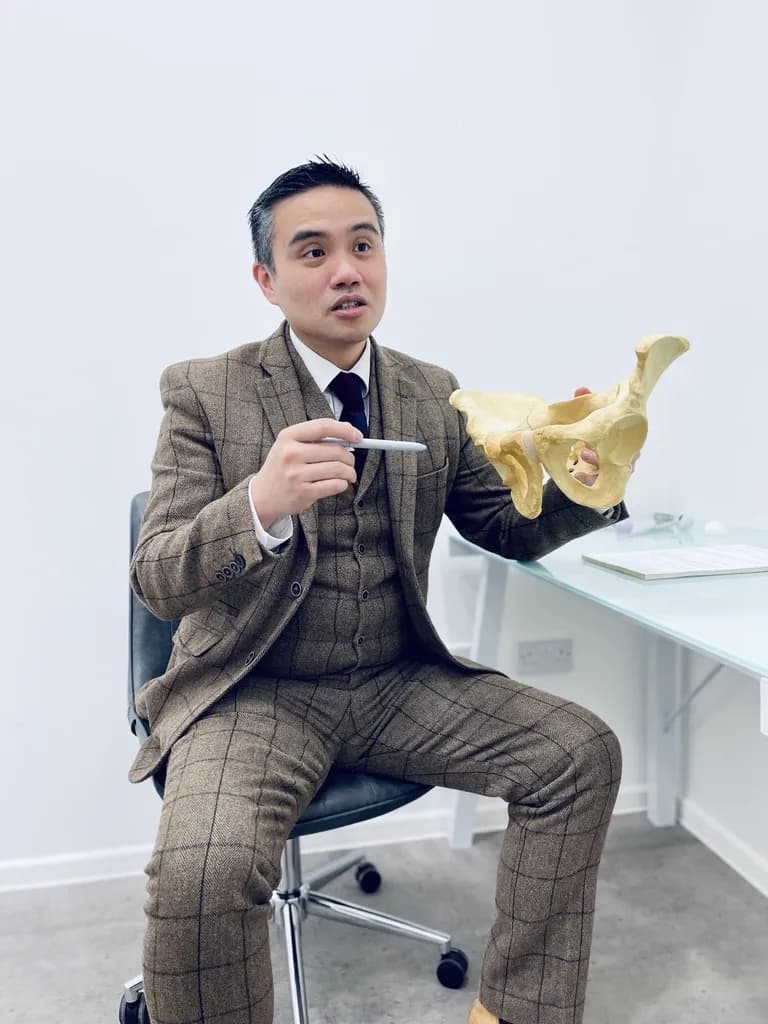
Start with your experience
A dislocation can leave you worried about moving normally, even once the hip has been put back into place. This guide is for a planned review after the immediate episode has been treated. A suspected dislocation happening now needs emergency assessment, not a routine booking.
Record when each episode occurred, what you were doing, and where it was treated. If the hip has dislocated more than once, the sequence helps make the consultation specific. Bring the advice you were given about activity and follow-up so it can be discussed in the context of your operation.
Connect the evidence
When and how did the dislocation happen?
How was it managed, and what did imaging show?
What is the plan and what would change it?
A discussion framework, not a diagnostic test or a predicted recovery timeline.
Your clinical second opinion
The review can examine the original surgical information, imaging from the dislocation and subsequent images. It should explain what is known about the stability problem and whether further assessment is needed. The consultation should not simply attribute the event to something you did without considering the clinical evidence.
If further surgery is being considered, ask which aspect of stability the proposed procedure would address and what its limitations are. If the plan is non-operative, ask what precautions apply to you, for how long, and when the plan will be reviewed. Continue the instructions from your treating team while awaiting assessment.
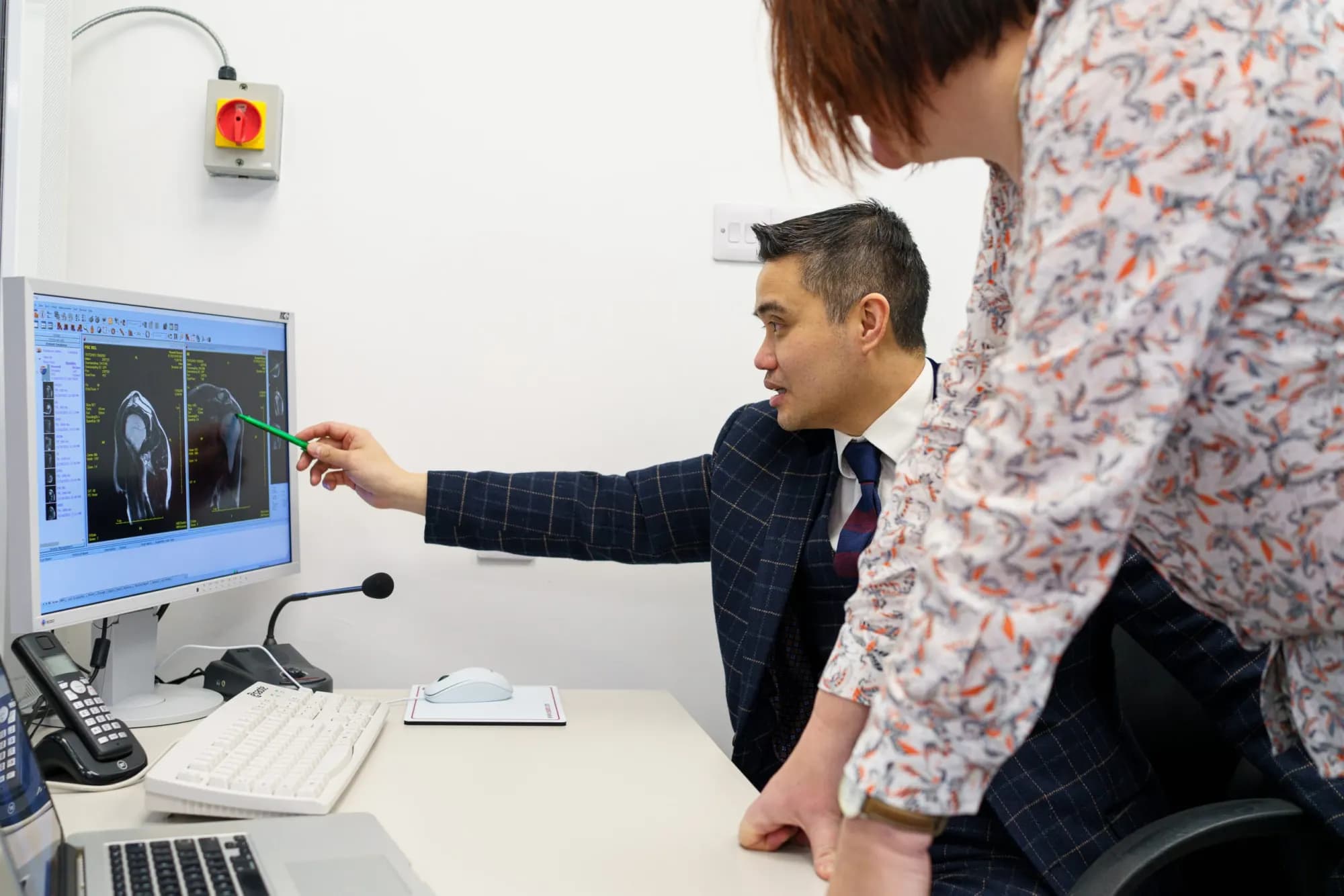
From explanation to a plan
These are directions the conversation may take. They are not a treatment recommendation for every person with these symptoms.
Clarify the advice from the team managing your hip.
Identify what is known about implant and surrounding-tissue factors.
Understand its intended benefit and the remaining risks.
Make the appointment yours
If the explanation uses an unfamiliar term, ask what it means for your own decision. Before leaving, check who is arranging any next step and how you will receive the results.

General patient information supporting the background to this guide. Your individual advice depends on assessment.
Understand a persistent limp by looking at walking, strength, pain and the hip replacement together.
Read guide →Review outer-hip pain or weakness and whether the tendons that support walking are involved.
Read guide →Explore why your legs feel unequal and how that difference has been assessed.
Read guide →Second Opinion Clinic
£100 · 45 minutes · Monthly clinic sessions
Confirm the next clinic date, location and available slot when booking.