Refine rehabilitation
Identify a functional goal and a way to measure progress.
Monthly second-opinion clinic · Grantham & Sleaford
0330 001 0048Hip replacement / Patient guide
Understand a persistent limp by looking at walking, strength, pain and the hip replacement together.
A planned, non-urgent second opinion with Professor Paul Lee
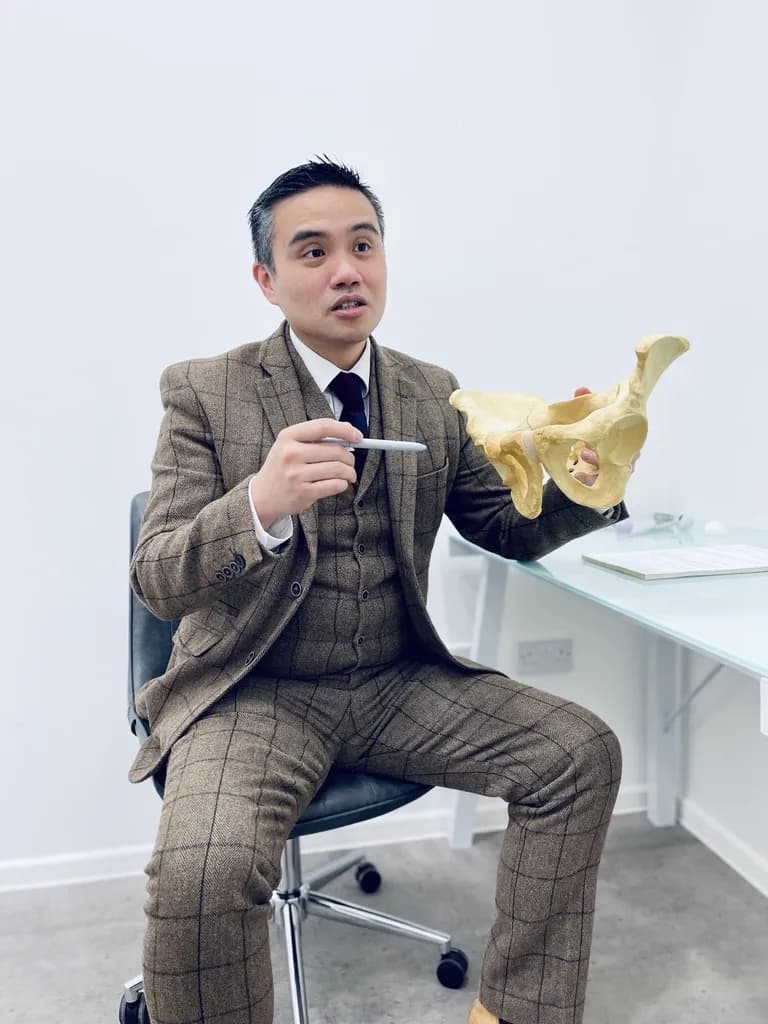
Start with your experience
You may be pleased with pain relief yet unhappy with the way you walk. Alternatively, you may still need a stick, tire quickly or feel that your body shifts to one side with each step. Explain whether the limp has been present throughout recovery, is improving, or appeared after you had started walking better.
A limp is a description of movement, not a diagnosis. Rather than deciding from appearance alone that the implant is wrong or a muscle has torn, a second opinion can examine the problem and identify which questions need answering. Your walking goals should be part of that discussion.
Connect the evidence
When is the limp most noticeable?
Is pain, weakness or imbalance driving the difficulty?
Are walking distance and confidence improving or declining?
A discussion framework, not a diagnostic test or a predicted recovery timeline.
Your clinical second opinion
The assessment can compare walking with the clinical examination and the records of surgery and rehabilitation. It is useful to know whether the main limitation is pain, weakness, balance, confidence or a feeling of unequal leg length. Bring information about other back, knee or foot problems that affect your gait.
If further imaging or a more focused assessment is suggested, ask what it would establish. A targeted rehabilitation plan and an investigation for a structural problem serve different purposes. Before considering another operation, you should understand what it would change and how that relates to your limp.
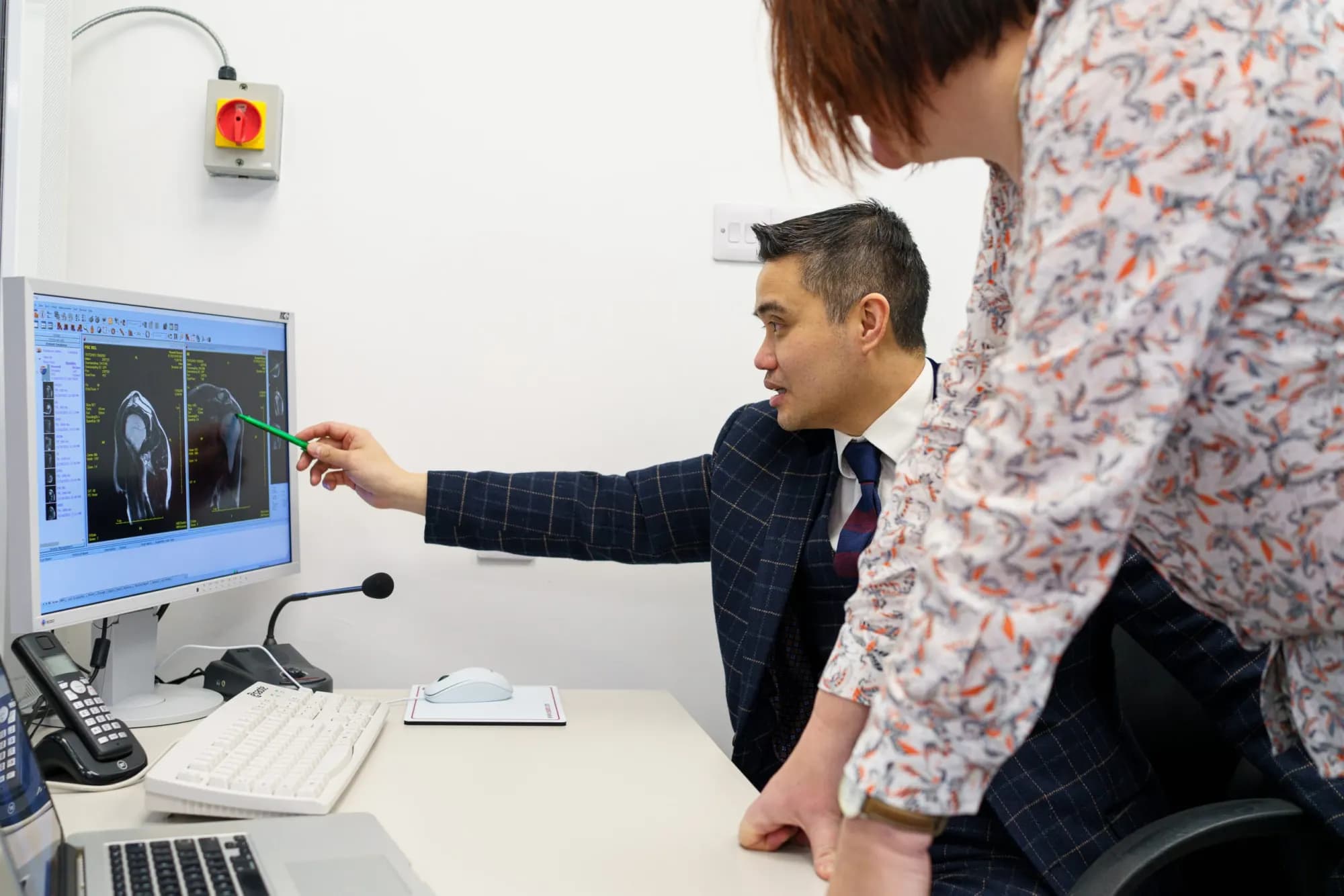
From explanation to a plan
These are directions the conversation may take. They are not a treatment recommendation for every person with these symptoms.
Identify a functional goal and a way to measure progress.
Clarify the role of the implant or surrounding tissues.
Use a clear question to guide any onward referral.
Make the appointment yours
If the explanation uses an unfamiliar term, ask what it means for your own decision. Before leaving, check who is arranging any next step and how you will receive the results.

General patient information supporting the background to this guide. Your individual advice depends on assessment.
Review outer-hip pain or weakness and whether the tendons that support walking are involved.
Read guide →Explore why your legs feel unequal and how that difference has been assessed.
Read guide →Understand the evidence behind a suspected implant problem and the questions that need resolving.
Read guide →Second Opinion Clinic
£100 · 45 minutes · Monthly clinic sessions
Confirm the next clinic date, location and available slot when booking.