Refine rehabilitation
Agree which limitation needs attention and a review point.
Monthly second-opinion clinic · Grantham & Sleaford
0330 001 0048ACL surgery & recovery / Patient guide
Review ongoing pain, stiffness, swelling or instability after ligament reconstruction.
A planned, non-urgent second opinion with Professor Paul Lee
Start with your experience
The knee may feel stable but painful, strong in some activities but unreliable in others, or unable to straighten as you expected. Describe the problem in functional terms: what happens on stairs, during work or when trying to return to sport? A general statement that recovery has “failed” can hide several different questions.
This page focuses on current symptoms and recovery after reconstruction. If your main concern is how the original care was delivered, the guide to concerns about ACL surgery covers that discussion separately. Both kinds of concern can be raised at a clinical review.
Connect the evidence
Is bending or straightening the main restriction?
Is there true giving way or reduced confidence?
What does the knee tolerate now, and what is your goal?
A discussion framework, not a diagnostic test or a predicted recovery timeline.
Your clinical second opinion
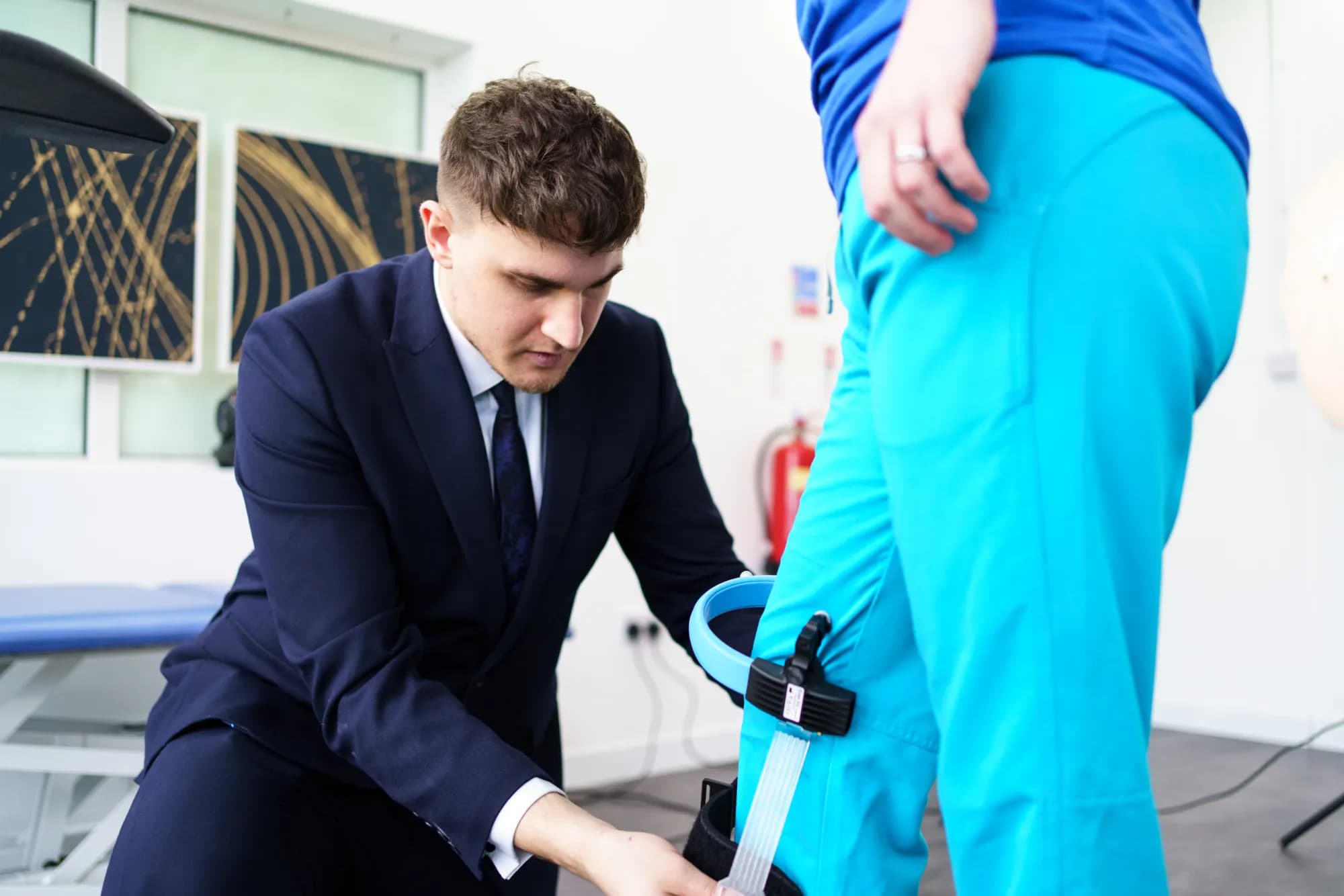
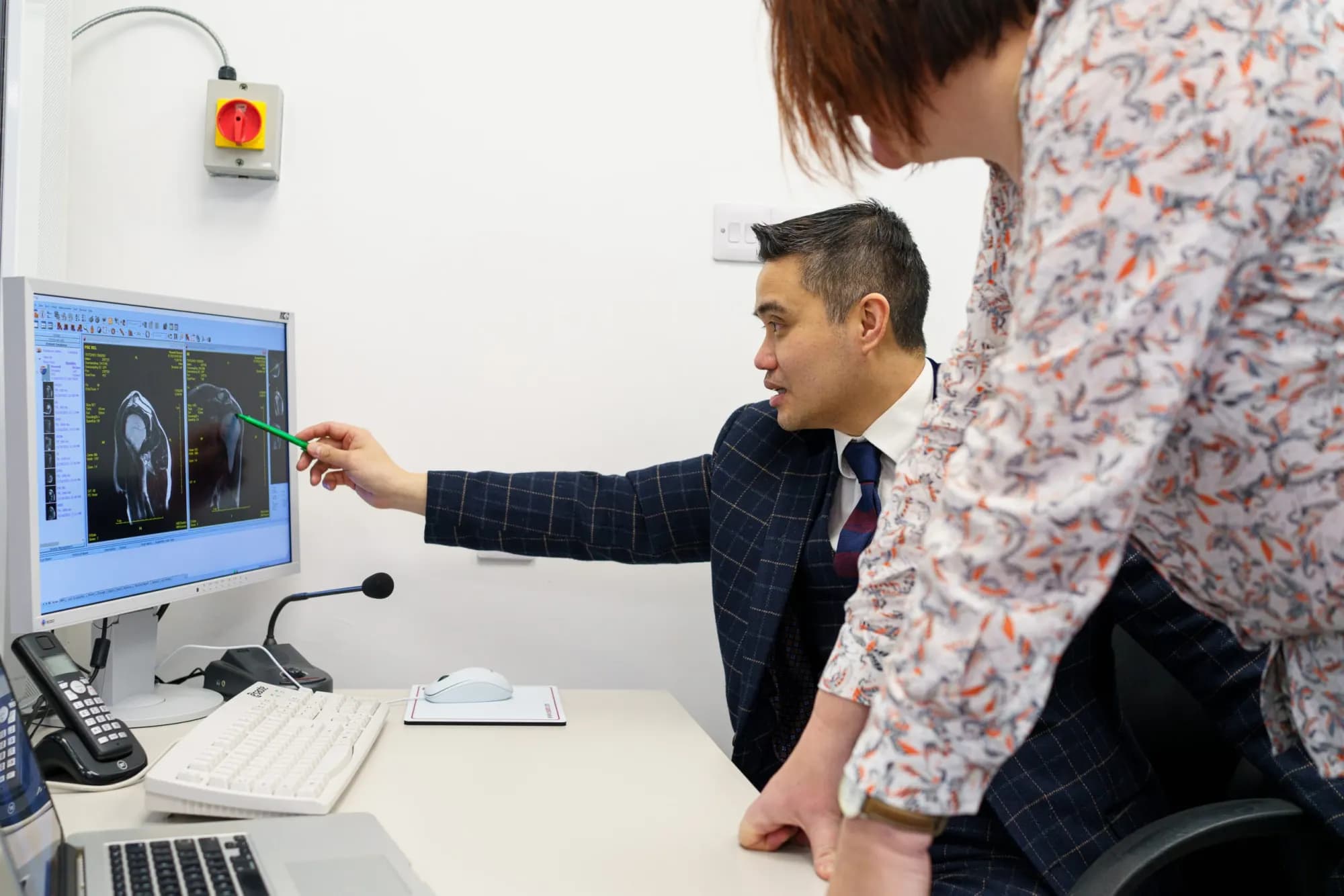
The assessment can bring together movement, stability, muscle function and the existing imaging with the original operation details. Explain whether there has been a fresh injury or an interruption to rehabilitation. The graft used and any meniscus or cartilage procedure performed at the same time are useful context.
Ask what evidence would support a change in treatment. Continuing a tailored rehabilitation plan, arranging an additional assessment and discussing revision reconstruction are different steps. The consultation should help identify the step that fits the current findings and clarify what success would look like for your goals.
From explanation to a plan
These are directions the conversation may take. They are not a treatment recommendation for every person with these symptoms.
Agree which limitation needs attention and a review point.
Ask how the result would change the plan.
Discuss another reconstruction only in the context of its intended target.
Make the appointment yours
If the explanation uses an unfamiliar term, ask what it means for your own decision. Before leaving, check who is arranging any next step and how you will receive the results.

General patient information supporting the background to this guide. Your individual advice depends on assessment.
Second Opinion Clinic
£100 · 45 minutes · Monthly clinic sessions
Confirm the next clinic date, location and available slot when booking.