Preserve tissue where appropriate
Discuss whether repair is feasible and the protection needed afterwards.
Monthly second-opinion clinic · Grantham & Sleaford
0330 001 0048Knee & meniscus / Patient guide
Explore what repair, partial removal and rehabilitation would mean for your particular tear.
A planned, non-urgent second opinion with Professor Paul Lee
Start with your experience
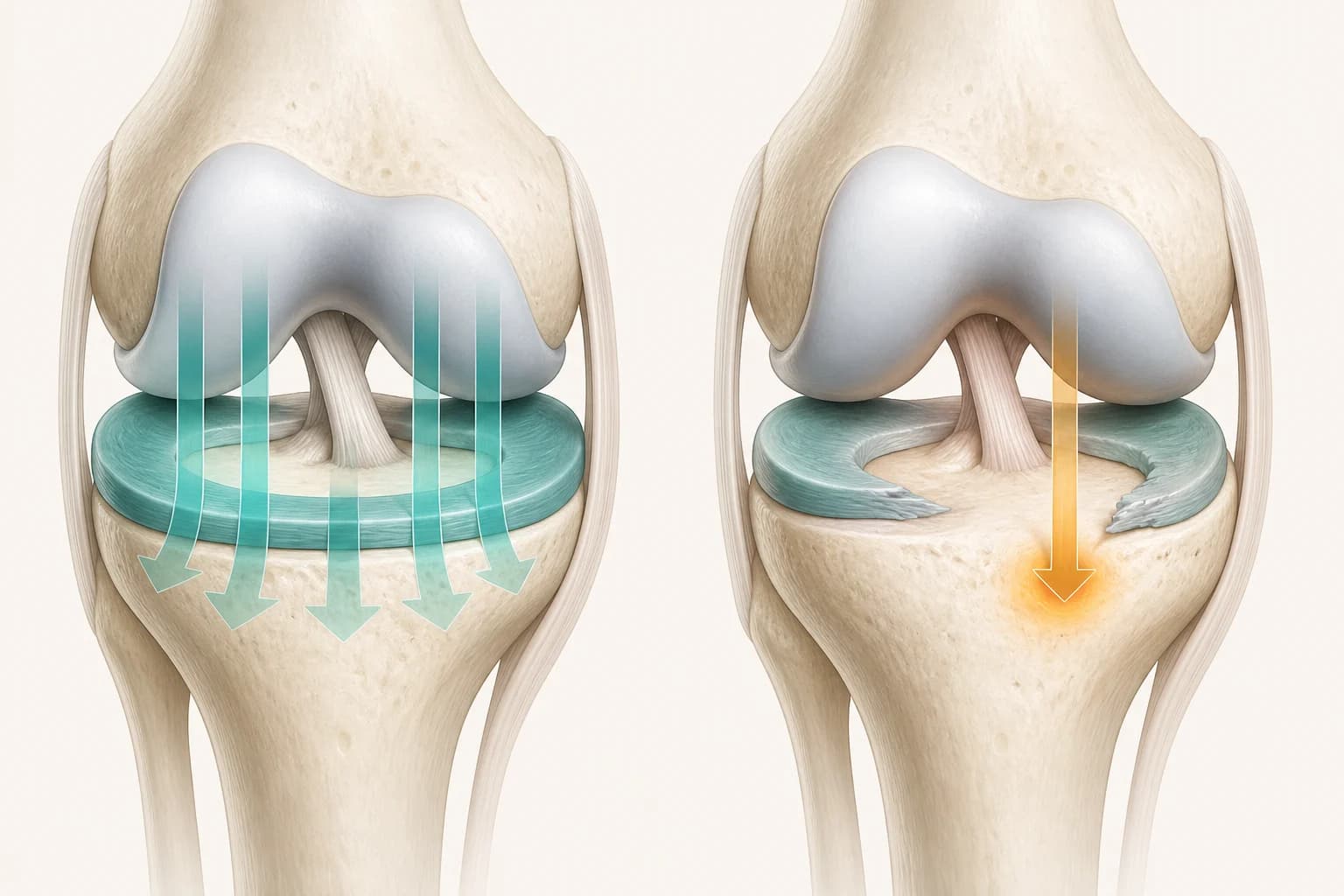
Being told you have a meniscus tear does not, on its own, tell you which treatment to choose. You may have heard “repair”, “trim”, “remove” and “arthroscopy” used as though they mean the same thing. They do not. A useful consultation makes the proposed action clear before discussing whether it suits your knee.
Repair aims to preserve tissue by securing the tear. Partial removal means trimming damaged tissue; it does not necessarily mean removing the whole meniscus. Rehabilitation may also be an option. Which approach is appropriate needs to be discussed alongside the tear, symptoms and the condition of the rest of the joint.
Connect the evidence
What makes this tear suitable—or unsuitable—for repair?
Exactly what tissue would be removed, and for what symptom?
What would a non-operative plan involve and when is it reviewed?
A discussion framework, not a diagnostic test or a predicted recovery timeline.
Your clinical second opinion
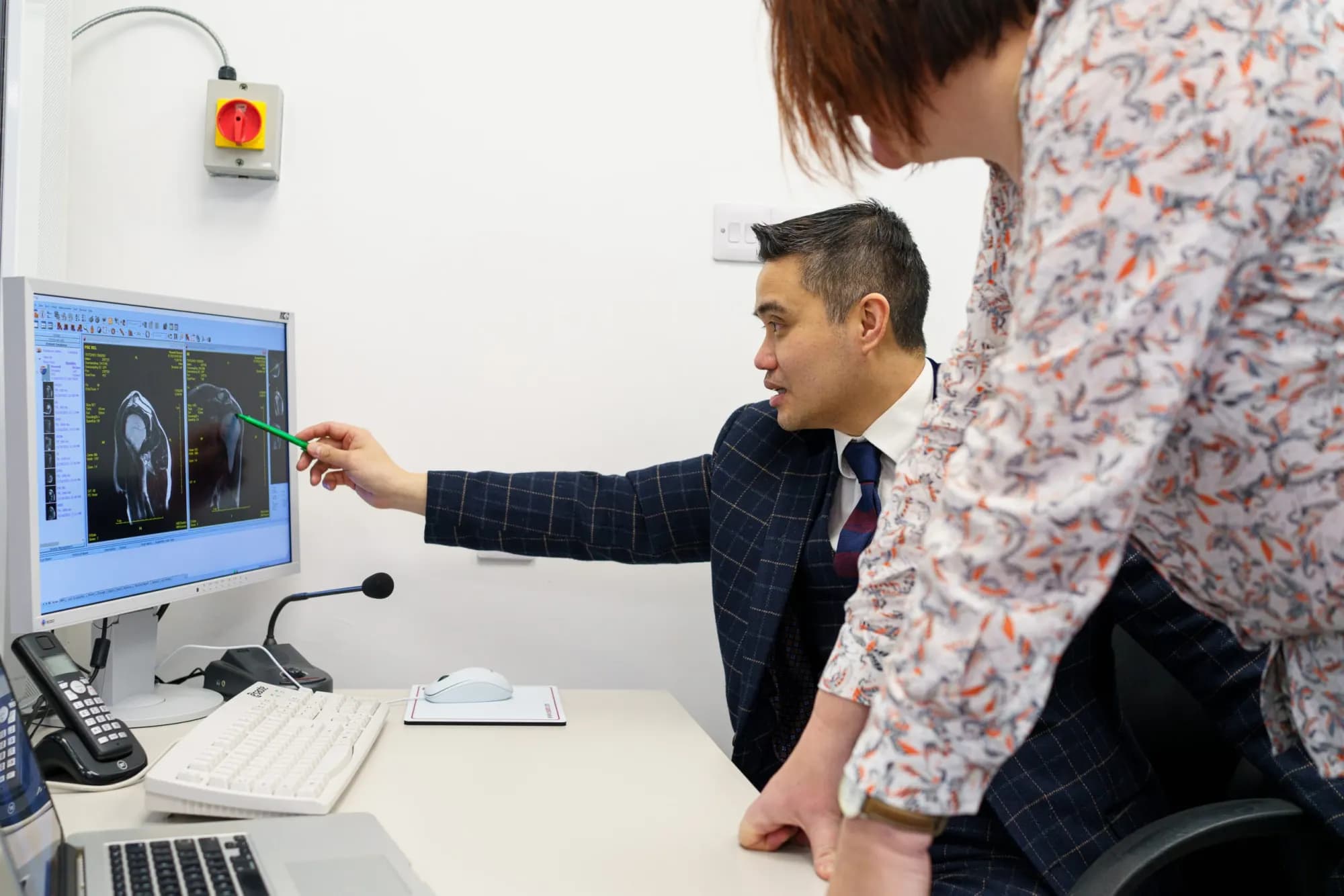
Bring the MRI images as well as the written report. The consultation can explore whether the reported tear fits the symptoms you describe and what the proposed operation is trying to achieve. Say whether your main difficulty is pain, swelling, catching, or a knee that will not fully straighten.
Ask what can be decided beforehand and what may depend on findings during surgery. If a surgeon proposes “repair if possible, otherwise trim”, you should understand both possibilities, their different recovery implications and the consent discussion before the day of treatment.
From explanation to a plan
These are directions the conversation may take. They are not a treatment recommendation for every person with these symptoms.
Discuss whether repair is feasible and the protection needed afterwards.
Ask what benefit trimming is expected to deliver in this knee.
Clarify the goals and circumstances that would reopen the decision.
Make the appointment yours
If the explanation uses an unfamiliar term, ask what it means for your own decision. Before leaving, check who is arranging any next step and how you will receive the results.

General patient information supporting the background to this guide. Your individual advice depends on assessment.
Understand persistent symptoms after arthroscopy and what the original operation did—and did not—address.
Read guide →Review restricted movement or continuing pain with a clear picture of your operation and recovery.
Read guide →Work out which symptoms need investigation and what they mean for the stability of your knee.
Read guide →Second Opinion Clinic
£100 · 45 minutes · Monthly clinic sessions
Confirm the next clinic date, location and available slot when booking.